Marine Solutions
 Powerboat School
 Boat Charters
 School of Sailing


STCW Basic Safety Courses
Anyone who is interested in working on a seagoing vessel must complete an STCW Basic Training Course. Covering a range of modules such as Personal Survival Techniques, Fire Prevention and Fire Fighting and Elementary First Aid, the STCW Basic Training courses provide trainees with an entry-level understanding of handling emergencies and staying safe at sea.
A requirement for all crew on all commercial vessels over 24 metres, our STCW Basic Training Courses are the starting point for a diverse range of careers at sea. So whether it’s as a purser, engineer, waiter, deck hand, entertainment staff, cook, steward, hairdresser, nail technician, receptionist, massage and beauty therapist, fitness instructor, dancer, physician or even an acupuncturist, this is where you begin!
Find out moreThe Merchant Shipping (Standards of Training, Certification and Watchkeeping) Regulations 2015, implement the requirements of the International Convention and Code on Standards of Training, Certification and Watchkeeping (STCW) 1978, as amended (referred to in this MSN as the ‘STCW Convention’ and ‘STCW Code’ respectively), including the provisions prescribing the minimum requirements for emergency occupational safety, medical care, survival and security functions.
This essential training for seafarers covers all the basics when at sea and is an set as the international legal minimim standard by The International Convention on Standards of Training, Certification and Watchkeeping for seafarers, otherwise known as STCW. Whether you are a Captain, officer, watchkeeper or crew you must all complete differing levels of MCA/STCW training which ensure mariners meet a set of specific safety requirements.
Overseen by The International Maritime Organisation (IMO), STCW was originally ratified in 1978 but major amendments were agreed in 1995 (STCW ’95).
The next major revisions to the STCW Convention were subsequently adopted by IMO in Manila in June 2010 to ensure that the necessary global standards are in place to train and certify seafarers to operate technologically advanced ships.
Known as ‘The Manila amendments to the STCW Convention and Code’, these amendments came into force on 1 January 2012, with the new STCW 2010 training and certification requirements being adopted from July 2013.
Showing all 6 results
-
STCW Basic Safety Training Course (BSTC)
5 daysClassroomRead more View course -
STCW Personal Safety and Social Responsibilities (PSSR)
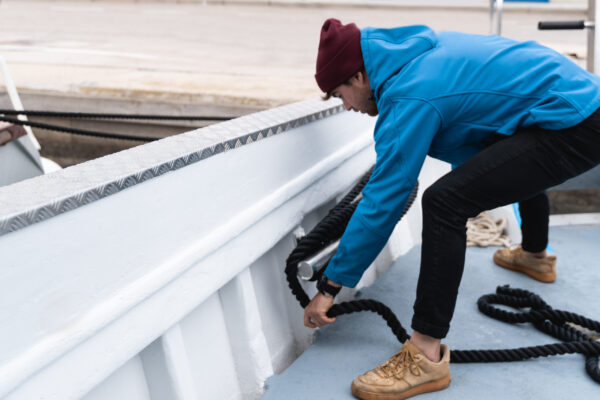
4 hoursClassroomThe STCW Personal Safety and Social Responsibility course (PSSR) forms part of the STCW Basic Safety Training Course and is mandatory for anyone wishing to work on a commerical vessel over 24 metres. Completely classroom-based, students can expect basic induction training in safety procedures and accident prevention as well as familiarisation with both the employment conditions and working environment at sea. Students will be assessed through direct observation, written and oral questioning as well as simulated scenarios before a short exam at the end of the course.Read more View course -
STCW Proficiency in Security Awareness (PSA)
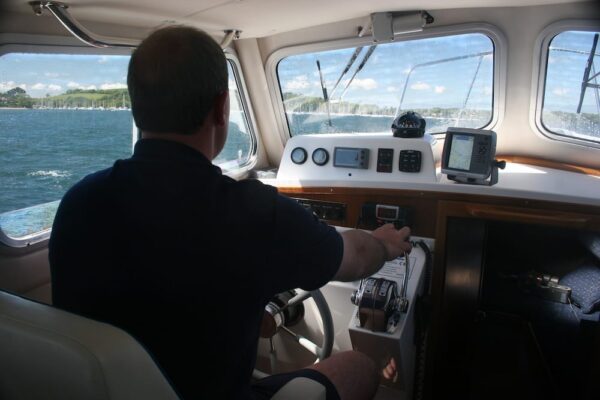
4 hoursClassroomThe STCW Proficiency in Security Awareness course (PSA) is mandatory for anyone wishing to work on board a vessel without any designated security duties. The course itself forms part of the STCW Basic Safety Training and has been designed to provide basic security awareness, including the importance of ship security and recognising potential threats.Read more View course -

STCW Personal Survival Techniques (PST)
1 dayClassroom & PracticalThe STCW Personal Survival Techniques course (PST) equips students with the techniques needed to protect themselves, and survive during emergency situations at sea and is mandatory for anyone wishing to work on a commercial vessel over 24 metres. Covering everything from potential causes of distress through to how to safely abandon ship, this PST course is a combination of classroom based and practical training. Students will need to be water-confident as they will spend their practical session in the water, learning how to correctly wear life-jackets, safely abandon ship, use a survival suit and inflatable raft, all in a swimming pool.Read more View course -
STCW Elementary First Aid (EFA)
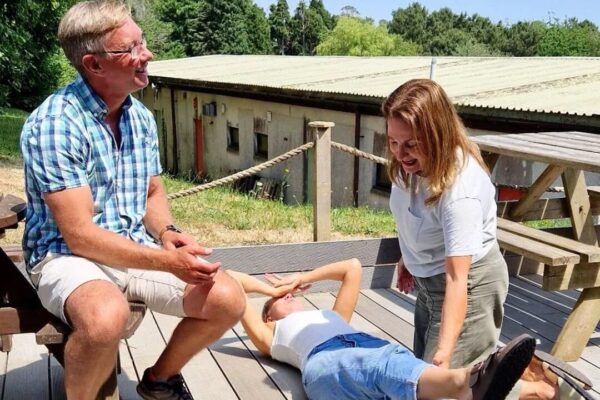
1 dayClassroomPart of the minimum basic safety training for seafarers, the STCW Elementary First Aid course (EFA) teaches students how to correctly and safely respond to medical emergencies and accidents on board a vessel. Run over one-day, the course teaches a range of basic first aid and life-saving skills in both theoretical and practical hands-on sessions. With assessments carried out during the day, this course meets the minimum requirement for familiarisation and basic safety training for seafarers who, on completion, will receive a certification which is valid for 5 years.Read more View course -
STCW Fire Prevention and Fire Fighting (FPFF)
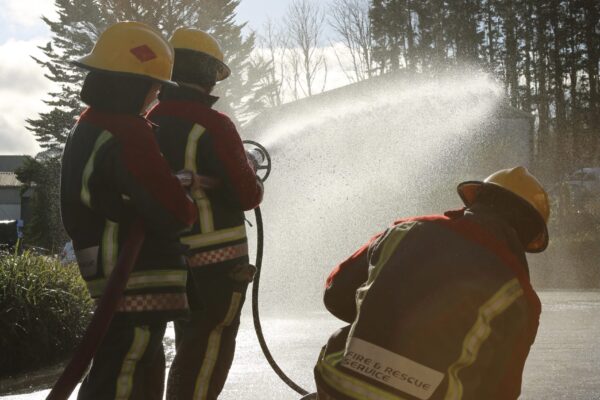
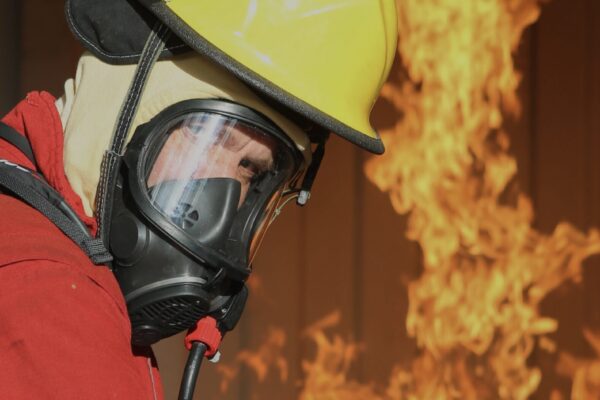
2 daysPracticalThe STCW Fire Prevention and Fire Fighting course (FPFF) is mandatory for any seafarers who will be given safety duties, it also forms part of the STCW Basic Safety Training course which is compulsory for anyone wanting to work on a commercial vessel over 24 metres. Run over 2 days, this FPFF course outlines how to minimise the risk of fire, the causes of fires and how to correctly extinguish them. Combining theoretical and practical training, students will use fire fighting equipment and breathing apparatus in our state-of-the-art, purpose-built fire fighting training facility. This unique setting enables students to face realistic scenarios during their training, practising the extinguishing of various types and sizes of fires.Read more View course