Marine Solutions
 Powerboat School
 Boat Charters
 School of Sailing


MCA Small Ships Navigation and Radar
This five day course has been split into two parts to meet the new MCA requirements for both the MCA Workboat Code Edition 3 and the new MCA The Sport or Pleasure Vessel Code, that will provide you with the training and education required to keep a safe navigational watch and to use radar, automatic plotting aids, electronic charts and other electronic aids to safely navigate small vessels.


This course is intended for all Masters and any crew responsible for navigation on commercially operating small vessels (<24m). This course has been approved by the Maritime and Coastguard Agency (MCA) in accordance with the recommendations of the Merchant Navy Training Board (MNTB), and meets the requirements of the Workboat Code Edition 3 and the NEW MCA The Sport or Pleasure Vessel Code“the Manning of Small Vessels” and includes the following two sections:
- Part 1 – Small Ships Electronic Charting System and Bridge Watchkeeping (3 days)
- Part 2 – Small Ships Radar and Meteorology (2 days)
Course Content
Part 1 – Small Ships Electronic Charting System & Bridge Watchkeeping (3 days)
Individual price: £495
- How to obtain weather information
- Use of weather reports in relation to a proposed passage plan
- Actions upon encountering reduced visibility
- An appreciation of voyage limitations imposed by reduced visibility
- Possible effect of wind on tracks made good
- The effect of wind on tides and tidal streams
- Local weather anomalies
- Effect on sensors/equipment of weather
Part 2 – Small Ships Radar and Meteorology (2 days)
Individual price: £495 (including on the water practical session)
- Types of Radar and differences in use
- Using Radar as a ranging device
- Use and limitations of radar for bearing measurement
- Effect of horizontal bandwidth, particularly on land targets
- Use of sea and ground stabilised modes of operation
- Display set up procedures including the use of performance monitoring facilities
- Understanding of the heading marker and its alignment
- Sea and rain clutter settings
- Relative and true motion displays
- True and relative trails and vectors
- Head-up (unstabilised) and North-up (stabilised) displays
- Shadow sectors and blind arcs
- False echoes
- Plotting as an aid to collision avoidance
- Position fixing and radar navigation
- Use of parallel indexing techniques
- Semi-automatic and automatic plotters
- Errors associated with automatic plotting aids
- On the water practical session
What our customers say

Very well delivered. Great content and facilities, thanks Bob!
Tom, MCA Small Ships Navigation and Radar - November 2025
Great course. All information was relevant and delivered in a professional and engaging manner, encouraging participation and inclusion.
Joe, MCA Small Ships Navigation and Radar - December 2025
Great inclusion. This course was very well presented and I will highly recommend it to others.
Paul, MCA Small Ships Navigation and Radar - April 2026
You may also be interested in
-
MCA Non STCW One Day Stability Course
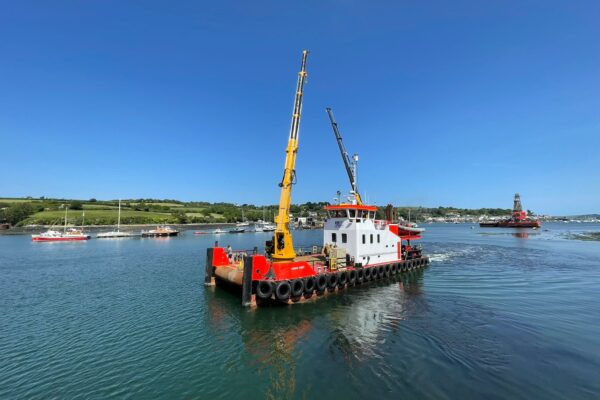
1 dayPracticalThis MCA Non STCW One Day Stability Course for Workboats, Pilot Boats and Small Commercial Vessels (SCV) has been introduced to meet the requirements in the Workboat Code Edition 3 for crew to attend an approved stability course.Read more View course -
MCA Boatmasters License (BML) Fire Safety
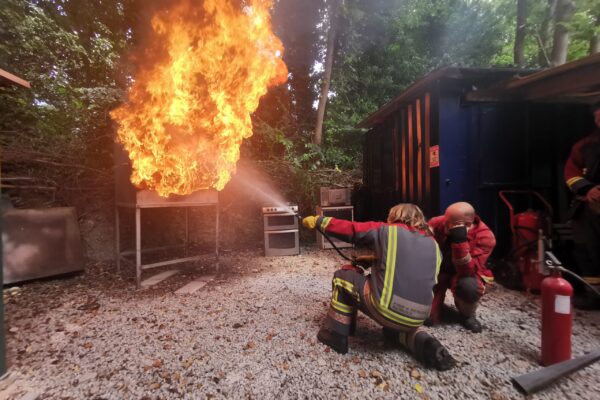
1 dayOur fire safety practical and theoretical training course will help you develop essential knowledge and skills in fire safety, including how fires are caused on boats, the risks associated with fire, and the principles of fire safety management while at sea. Please be aware that the Workboat Code Edition 3 states: “The Master or nominated fire fighter who have undertaken Fire Fighting and Fire Prevention should undertake a Update Fire Prevention and Fire Fighting training course every 5 years”. This course meets the minimum fire training requirements for vessels working under the Workboat Code and this course does not have any mandatory update requirement. We would recommend you keeping up to date with fire fighting procedure by onboard training or attending relevant fire fighting training course.Read more View course